3D PRINTING

3D Printing.

3D printing with FDM, SLS, MJF and Binder Jetting for prototypes, technical parts, replacements and small, medium or larger repeat-production batches.

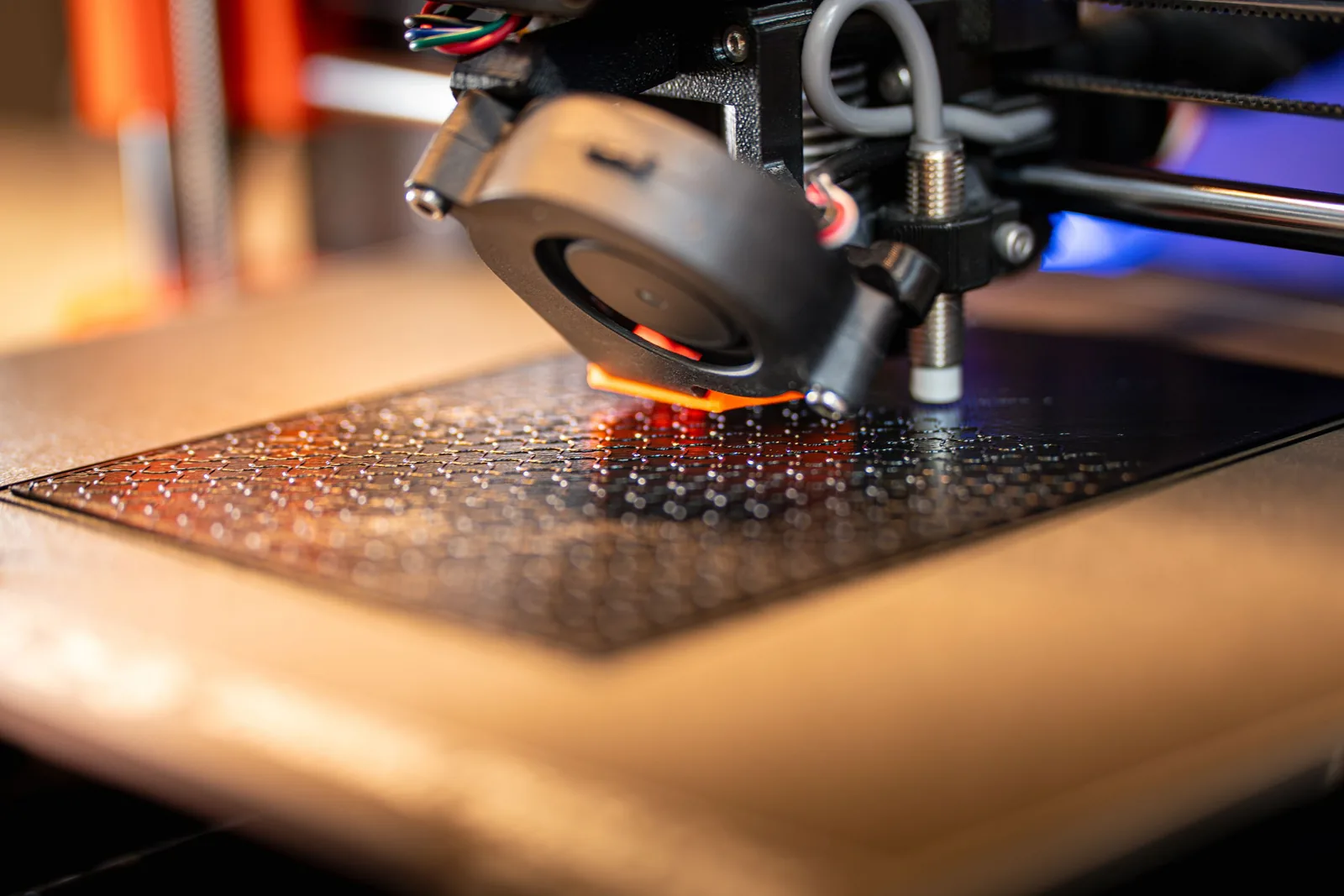
3D printer producing a functional component

PRINTURA

Choose the printing technology around the part and production requirement.

3D printing is useful when you need physical components without committing to conventional tooling. It can support one-off prototypes, replacement parts, fixtures and technical aids as well as small, medium and larger production batches when additive manufacturing is technically and economically practical.

Printura can work with several additive manufacturing routes rather than treating every project as an FDM job. Geometry, quantity, material, surface, tolerances, mechanical requirements and budget are reviewed together so the production method can be selected around the part. For high stable volumes, the comparison can also include whether molding or another process offers better unit economics.

PRINTING TECHNOLOGIES

FDM, SLS, MJF and Binder Jetting for different production needs.

No single additive process is best for every component. Technology and material availability are confirmed during the project review, and the choice depends on geometry, quantity, performance and finishing requirements.

FDM

Fused Deposition Modeling

Builds parts layer by layer from thermoplastic filament. It is a flexible and cost-effective route for prototypes, jigs, fixtures, replacement parts, larger components and repeat quantities where quick iteration and broad material choice matter.

PLA · PETG · ASA · ABS · TPU · Nylon
SLS

Selective Laser Sintering

Uses a laser to fuse polymer powder. Because the surrounding powder supports the geometry, complex parts can be produced without dedicated support structures. It is well suited to durable nylon components and efficient batch nesting.

PA12 / PA11 · complex geometry · functional batches
MJF

Multi Jet Fusion

Uses fusing agents and heat across a polymer powder bed to create dense, repeatable parts with good throughput. It fits functional housings, mechanisms and production quantities where consistent nylon components are required.

PA12 / PA11 · functional parts · repeat production
BINDER JETTING

Binder Jetting

Deposits a liquid binder into a powder bed. Materials and post-processing vary by application; metal binder-jet parts typically require debinding and sintering, while other systems use different powder and finishing routes. It is considered when the material, geometry and production volume make the process suitable.

Application-dependent · metal or specialty powder systems

COMMON APPLICATIONS

Where additive manufacturing fits well.

01

Functional prototypes

Test shape, assembly, ergonomics and function before committing to a final production method.

02

Replacement parts

Produce custom or unavailable components when an original replacement is difficult to source.

03

Fixtures & technical aids

Create brackets, holders, jigs, covers and workshop aids tailored to a specific task.

04

Repeat production

Produce project-specific quantities without conventional tooling when additive manufacturing remains the practical route.

HOW IT WORKS

A straightforward route from requirement to production.

01

Review

We look at the geometry, quantity, intended use and important fit, tolerance or performance requirements.

02

Select the route

The printing technology, material and finishing approach are chosen around the application rather than defaulting every project to one process.

03

Produce

The parts are manufactured and the agreed post-processing is completed before the result is prepared for delivery.

WHAT TO SEND

A finished 3D model is helpful, but it is not the only starting point.

You can send STL, STEP/STP, 3MF or OBJ files. If the model does not exist yet, send a drawing, dimensions, reference photos or the physical part and the project can be combined with 3D modeling, scanning or reverse engineering.

RELATED PAGES

Continue with the part of the workflow you need.

FREQUENTLY ASKED QUESTIONS

Before starting a project.

Short answers to common questions about this service and how it can fit into a project.

01Do I need a finished model for 3D printing?

Not necessarily. If you do not have a production-ready model, the project can begin from dimensions, drawings, photos or an existing part and include 3D modeling or reverse engineering.

02Which 3D-printing technologies can be used?

Depending on the project, production can use FDM, SLS, MJF or Binder Jetting. The practical choice depends on material, geometry, quantity, surface, tolerances and mechanical requirements.

03Which files can I send?

The enquiry form accepts STL, STEP/STP, 3MF and OBJ for 3D projects, as well as JPG, JPEG, PNG, WEBP and PDF reference files.

04How is the material selected?

Material should be chosen around the part's intended use, including factors such as load, temperature, flexibility, fit, appearance and outdoor exposure. Include those requirements in the enquiry when they matter.

05Can printing be combined with modeling or scanning?

Yes. Printing can be the final step of a larger workflow that starts from a sketch, measurements, scan data or an existing physical component.

06Can 3D printing be used for small and larger production batches?

Yes, when the geometry, material, quantity and unit economics are a good fit. FDM, SLS and MJF scale differently, so batch production is reviewed around the actual part rather than a fixed quantity threshold.

3D Printing Services in Lithuania | FDM, SLS & MJF | Printura